Categories

Some hospitals consistently deliver strong patient care, while others struggle to achieve the same result. It’s all about the data. Specifically, it’s how well they use Datasets for Healthcare to turn messy information into something that actually matters.
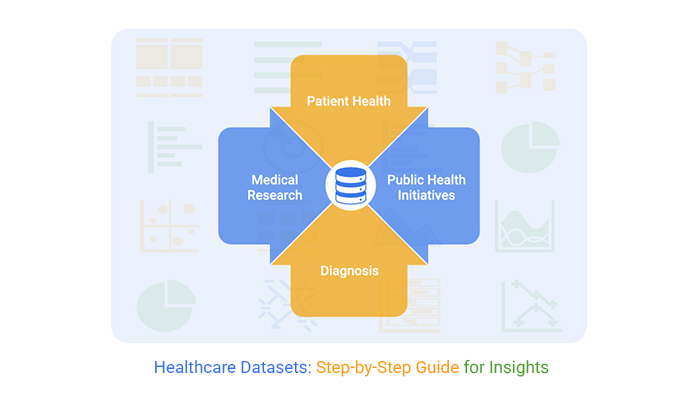


These days, healthcare organizations can’t wing it anymore. They need healthcare datasets that don’t just sit in a server somewhere but actively drive better outcomes, smoother operations, and smarter choices.
From frontline clinical care to big-picture policy shifts, mastering health datasets isn’t optional. It’s the difference between guessing and knowing.
Definition: Datasets for Healthcare are organized bundles of health information that teams can actually use. They’re structured (sometimes semi-structured) collections covering everything from patient records to financial metrics.
Clinical data, operational workflows, and billing details. All rolled into formats built for analysis, reporting, and planning. Medical datasets zero in on clinical stuff. Broader health datasets? They power analytics, research, and keep operations humming. Both are essential.
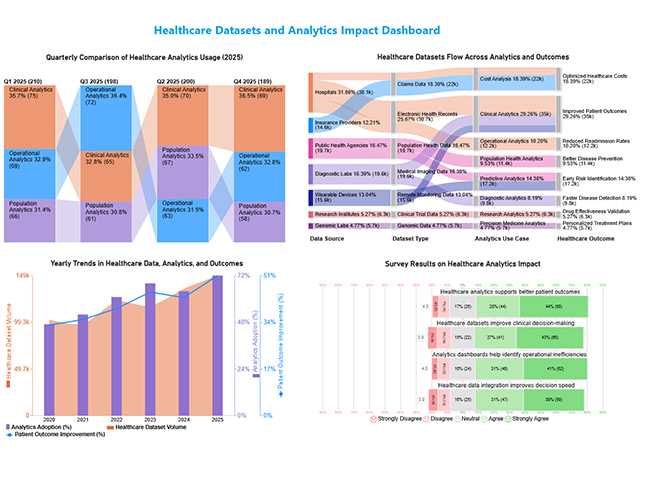
Medical datasets and healthcare datasets aren’t just nice-to-have. They’re the backbone of evidence-based decisions and tangible performance gains.
These health-related datasets pull together electronic health records, lab results, imaging files, prescriptions, and clinical notes. They’re what clinicians lean on for diagnosis, treatment planning, and tracking how patients respond over time.
Operational data tracks staffing levels, workflows, and how resources get used. Financial data keeps an eye on costs and supports budgeting in healthcare. Together, these datasets help organizations boost efficiency and stay financially viable.
Public and research-focused health datasets typically come from national or global sources. They’re aggregated to support epidemiological studies, disease surveillance, and academic research that shapes policy and public health strategy.
Here’s what real-world healthcare datasets look like:
These datasets get consolidated into Power BI datasets and displayed on a healthcare dashboard for real-time, informed decision-making.
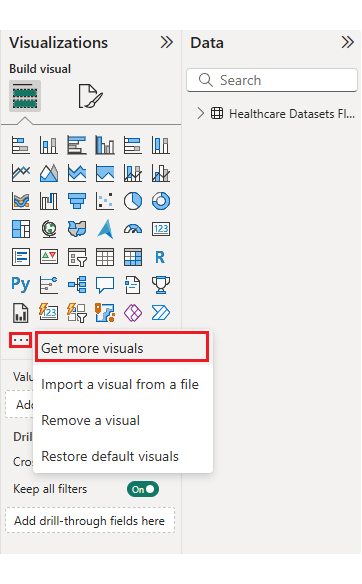
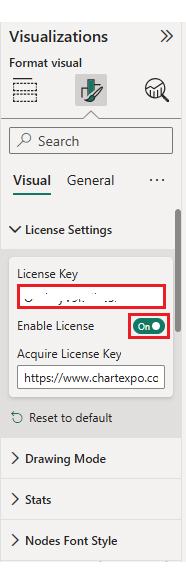
Analyzing healthcare datasets in Power BI begins with data cleansing and modeling to guarantee accurate analysis. ChartExpo takes Power BI up a notch by adding advanced visuals that simplify complicated data and spotlight key trends and insights.
Why Use ChartExpo?
Let’s walk through logging into Power BI first.
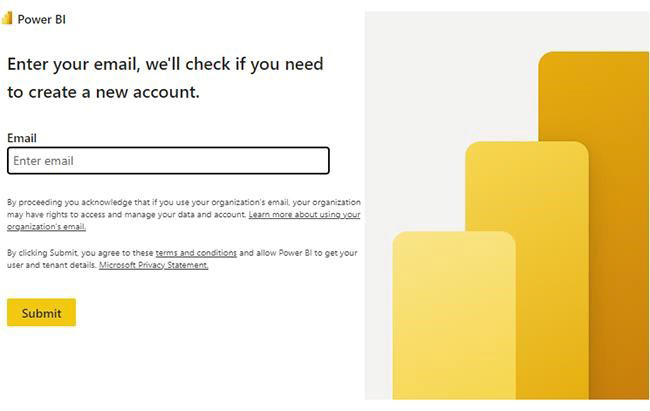
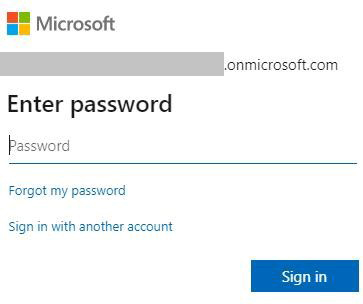
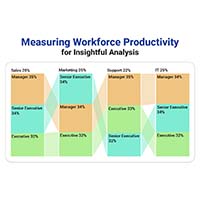
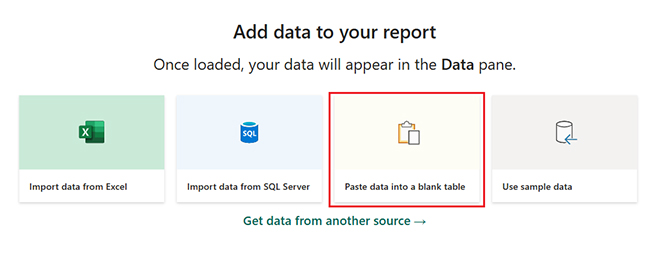
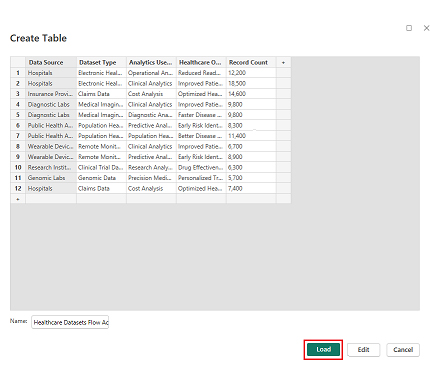
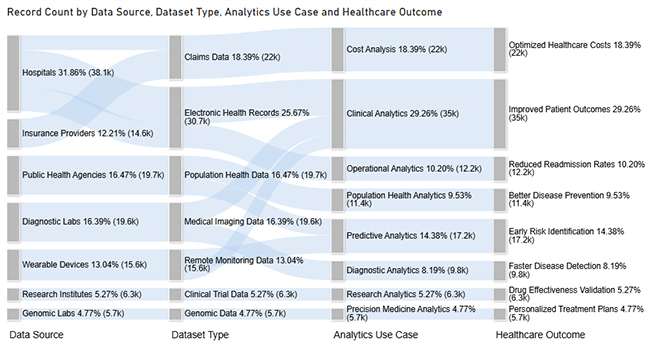
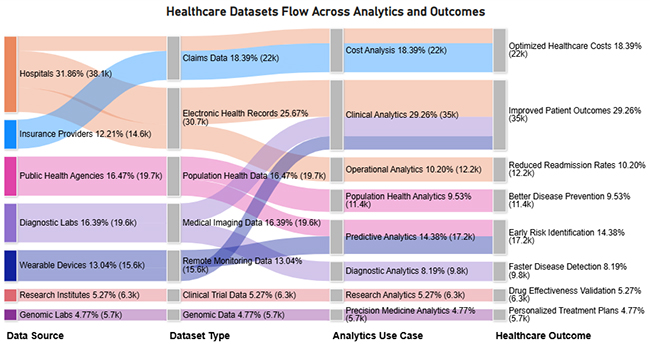
Now, let’s say we’ve got this data for a Sankey Chart.
|
Data Source |
Dataset Type | Analytics Use Case | Healthcare Outcome |
Record Count |
| Hospitals | Electronic Health Records | Clinical Analytics | Improved Patient Outcomes | 18,500 |
| Hospitals | Electronic Health Records | Operational Analytics | Reduced Readmission Rates | 12,200 |
| Diagnostic Labs | Medical Imaging Data | Diagnostic Analytics | Faster Disease Detection | 9,800 |
| Insurance Providers | Claims Data | Cost Analysis | Optimized Healthcare Costs | 14,600 |
| Research Institutes | Clinical Trial Data | Research Analytics | Drug Effectiveness Validation | 6,300 |
| Public Health Agencies | Population Health Data | Population Health Analytics | Better Disease Prevention | 11,400 |
| Wearable Devices | Remote Monitoring Data | Predictive Analytics | Early Risk Identification | 8,900 |
| Genomic Labs | Genomic Data | Precision Medicine Analytics | Personalized Treatment Plans | 5,700 |
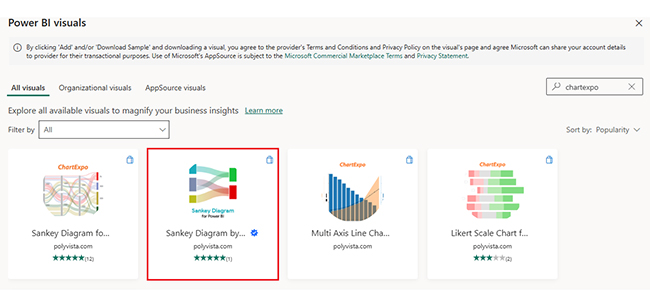
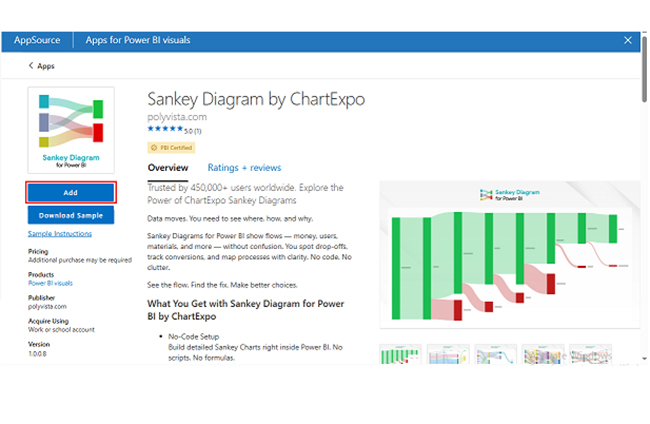
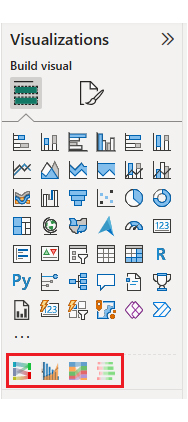
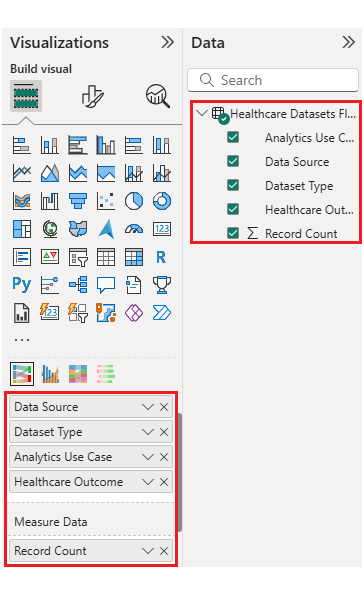
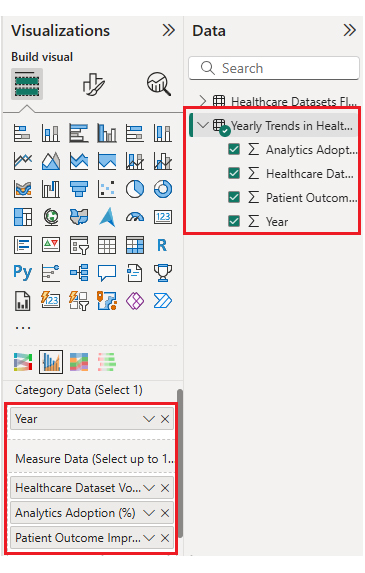
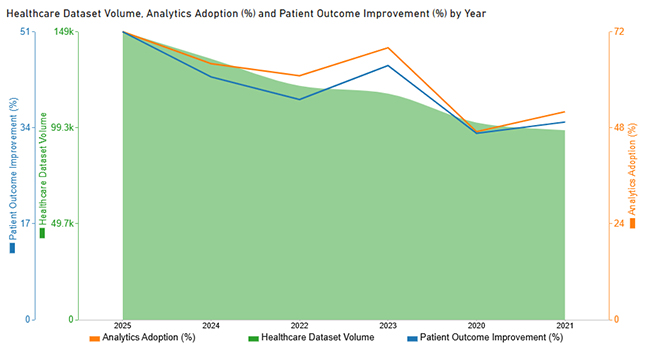
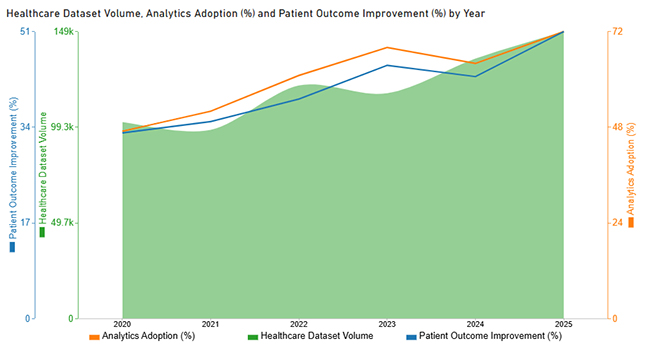
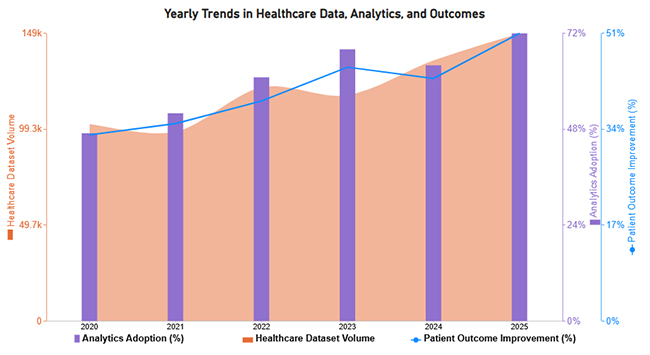
Now let’s tackle the second chart. Consider we have the following data for a Multi Axis Line Chart.
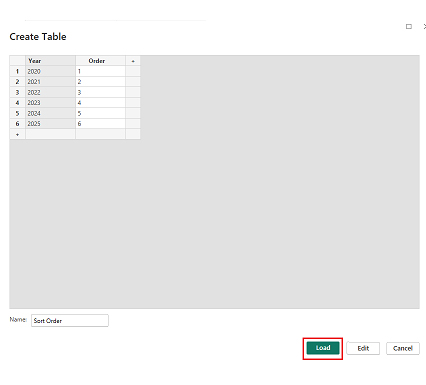
| Year | Healthcare Dataset Volume | Analytics Adoption (%) | Patient Outcome Improvement (%) |
| 2020 | 102000 | 47 | 33 |
| 2021 | 98000 | 52 | 35 |
| 2022 | 121000 | 61 | 39 |
| 2023 | 117000 | 68 | 45 |
| 2024 | 135000 | 64 | 43 |
| 2025 | 149000 | 72 | 51 |
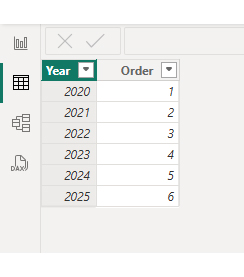
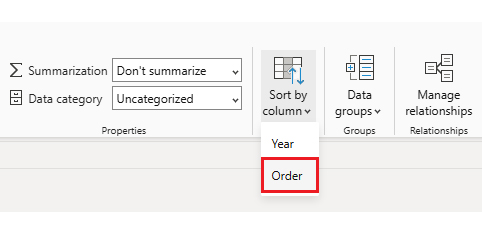
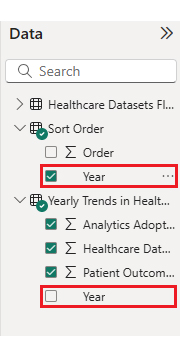
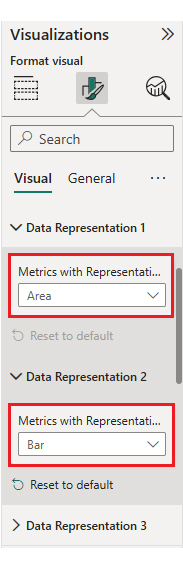
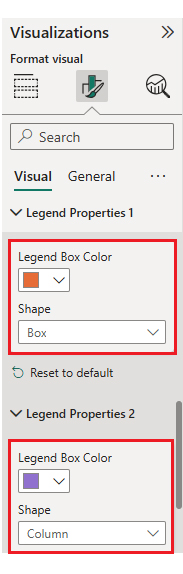
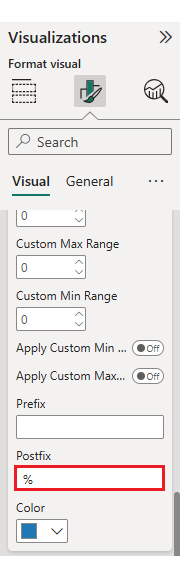
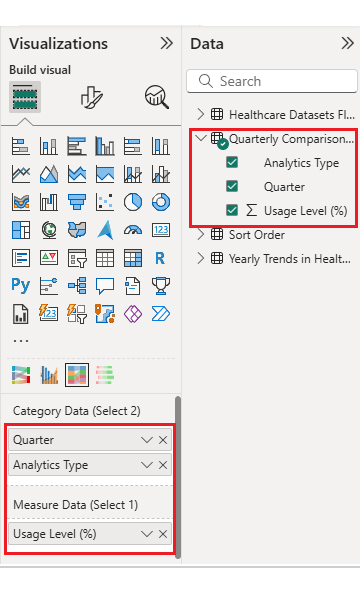
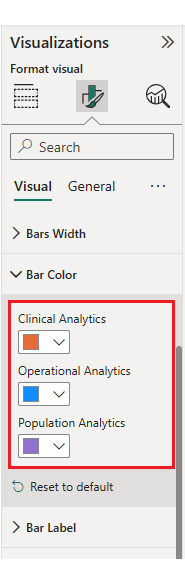
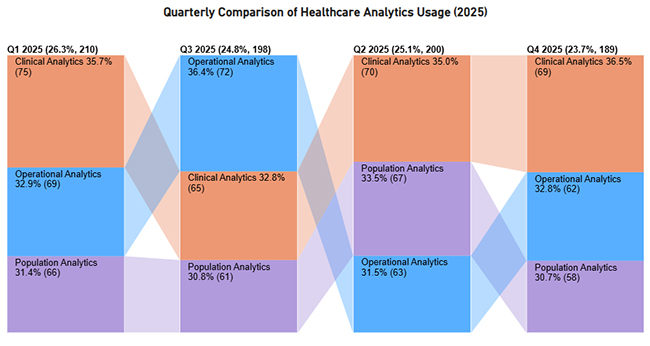
Now let’s discuss the third chart. Consider we have the following data for a Comparison Bar Chart.
| Quarter | Analytics Type | Usage Level (%) |
| Q1 2025 | Clinical Analytics | 75 |
| Q1 2025 | Operational Analytics | 69 |
| Q1 2025 | Population Analytics | 66 |
| Q2 2025 | Clinical Analytics | 70 |
| Q2 2025 | Operational Analytics | 63 |
| Q2 2025 | Population Analytics | 67 |
| Q3 2025 | Clinical Analytics | 65 |
| Q3 2025 | Operational Analytics | 72 |
| Q3 2025 | Population Analytics | 61 |
| Q4 2025 | Clinical Analytics | 69 |
| Q4 2025 | Operational Analytics | 62 |
| Q4 2025 | Population Analytics | 58 |
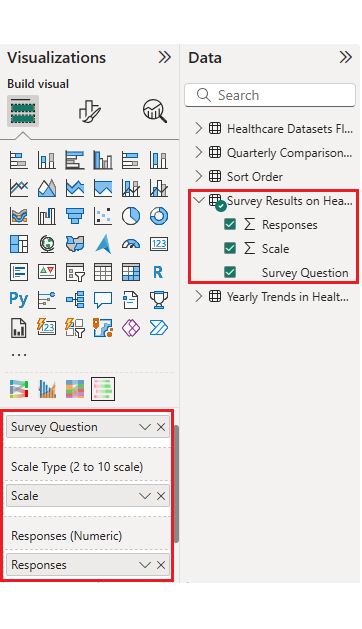
Now let’s discuss the fourth chart. Consider we have the following data for a Likert Chart.
| Survey Question | Scale | Responses |
| Healthcare datasets improve clinical decision-making | 1 | 8 |
| Healthcare datasets improve clinical decision-making | 2 | 14 |
| Healthcare datasets improve clinical decision-making | 3 | 22 |
| Healthcare datasets improve clinical decision-making | 4 | 41 |
| Healthcare datasets improve clinical decision-making | 5 | 65 |
| Analytics dashboards help identify operational inefficiencies | 1 | 6 |
| Analytics dashboards help identify operational inefficiencies | 2 | 12 |
| Analytics dashboards help identify operational inefficiencies | 3 | 24 |
| Analytics dashboards help identify operational inefficiencies | 4 | 46 |
| Analytics dashboards help identify operational inefficiencies | 5 | 62 |
| Healthcare analytics supports better patient outcomes | 1 | 7 |
| Healthcare analytics supports better patient outcomes | 2 | 11 |
| Healthcare analytics supports better patient outcomes | 3 | 26 |
| Healthcare analytics supports better patient outcomes | 4 | 44 |
| Healthcare analytics supports better patient outcomes | 5 | 68 |
| Healthcare data integration improves decision speed | 1 | 9 |
| Healthcare data integration improves decision speed | 2 | 13 |
| Healthcare data integration improves decision speed | 3 | 25 |
| Healthcare data integration improves decision speed | 4 | 47 |
| Healthcare data integration improves decision speed | 5 | 59 |
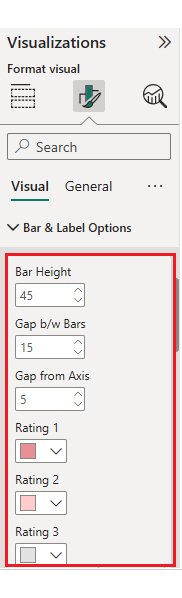
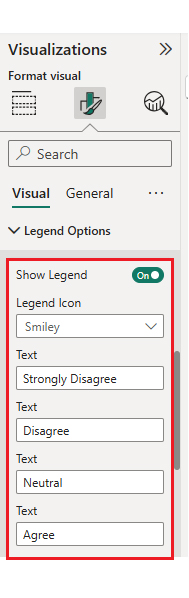
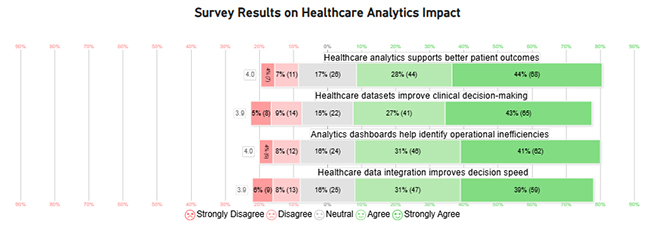
Arrange the charts efficiently and add interactivity to create a clear, engaging dashboard. After placement, the dashboard should appear as shown below.
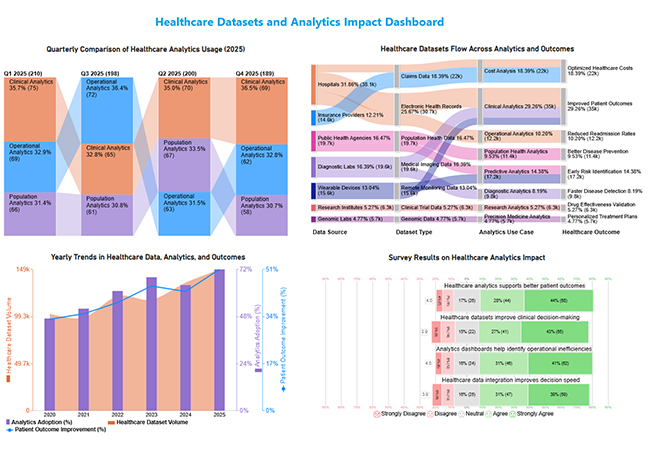
| Aspect | Power BI | ChartExpo (Power BI Add-in) |
| Focus | Data modeling and dashboard creation | Advanced visualization and insight discovery |
| Chart | Standard native visuals | Specialized charts for complex healthcare datasets |
| Ease of use | Requires setup and configuration | No-code, intuitive chart creation |
| Best use | Building enterprise healthcare dashboards | Insight-driven health datasets visualization |
Using structured healthcare datasets delivers multiple organizational benefits that can’t be ignored:
Effective management of Datasets for Healthcare requires a structured and secure approach. These are the key best practices:
While valuable, health-related datasets face real challenges that affect analysis and decision-making:
A good healthcare dataset is accurate, complete, secure, easy to integrate, and well-documented for reliable analysis. Without these qualities, you’re just guessing.
A medical dataset is a structured collection of healthcare data used for analytics, research, reporting, and evidence-based decision-making. It’s what separates modern medicine from guesswork.
Healthcare datasets help identify trends, measure outcomes, predict risks, and support data-driven decisions that improve care quality, efficiency, and population health. They’re the foundation of smart healthcare analytics.
Bottom line? Datasets for Healthcare drive data-informed decisions that improve outcomes and efficiency. Effective management and analysis transform complex data into actionable insights.
Tools like ChartExpo enhance the visualization and understanding of healthcare analytics. Strong data strategies remain essential for sustainable healthcare innovation. Don’t overthink it. Just get started.
How much did you enjoy this article?


Calculate accounts receivable turnover ratio to measure credit collection speed, improve cash flow, and strengthen your financial strategy. Read on!
Change Management KPIs are the key to tracking adoption, performance, and ROI during transitions. Find out which metrics matter. Read on!
Data collection methods and techniques determine the quality of every insight you act on. Explore key approaches for gathering reliable data. Read on!