Categories

Is enterprise reporting the missing link in more intelligent business decisions? Every day, organizations generate over 2.5 quintillion bytes of data. Yet, without the right tools to make sense of it, data becomes noise. Enterprise reporting helps companies turn that noise into action.
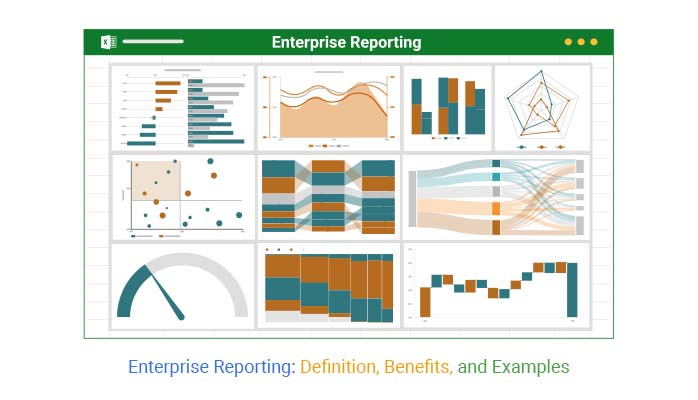


Leaders today need faster, clearer insights. The business environment moves fast, and static reports from last month no longer cut it. Decision-makers need fresh data, delivered in clear formats, to respond in real-time. That’s where strong reporting systems step in.
Modern reporting empowers teams at every level. From sales to finance, from marketing to operations, etc. Access to clear reports sharpens decision-making. No more second-guessing, nor waiting for manual updates.
The right system doesn’t overwhelm. It simplifies. It highlights trends, tracks progress, and helps teams focus on what matters. With enterprise reporting, organizations don’t just react—they plan.
And it doesn’t stop there. Integrating tools like BI reporting and pivot reporting brings flexibility to the table. Leaders can slice and filter data to fit the moment, whether tracking sales, budgets, or project status.
Information is power, but the challenge lies in making it clear, fast, and valuable.
But don’t worry; the solution begins with enterprise reporting, and that’s what this blog is about.
So…
Definition: Enterprise reporting involves collecting, analyzing, and sharing data to manage a business. It enables leaders to make informed decisions based on real facts. Companies can monitor their performance, detect changes in the space, and often understand downside risks ahead of time.
Most companies use analytic report templates to communicate complex data with clarity and detail. These reports also inform day-to-day and long-term plans. In context, enterprise reporting is the process of converting raw data into actionable information to drive business decision-making.
What if you could see the complete picture of your business—anytime, anywhere? That’s the power of enterprise reporting. In today’s fast-moving markets, gut instinct isn’t enough. Businesses need facts, speed, and clarity to stay competitive.
Here’s why enterprise reporting matters so much:
Think of enterprise reporting as your business’s control tower. Without a clear strategy, reports can overwhelm instead of inform. An innovative approach keeps everything on track and everyone focused.
Here’s how to build it step by step:
Getting started with enterprise reporting software doesn’t have to be complicated. Think of it as building a more innovative way to see and share what matters. With the proper steps, you can turn scattered data into clear, actionable insights.
Here’s how to make it work:
What does enterprise reporting look like in action? It’s not about endless spreadsheets or confusing charts. It’s about clear, focused reports that help people make more intelligent decisions every day. Here are real examples that bring data to life:
When reporting on success, the question is: how do you deliver value to your users? Businesses gather vast amounts of data every day, but without easy-to-understand reports, it’s challenging to identify what truly matters. Here’s a handy guideline on how to make reports to advance your business:
Choosing the right visual can turn confusing numbers into powerful stories. When you present data clearly, decision-makers act more quickly and effectively. With tools like ChartExpo, creating eye-catching, insightful visuals becomes easy. Here are 10 top visuals that bring your reports to life:
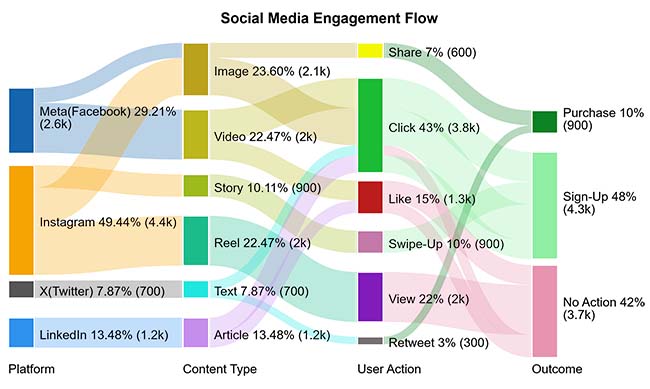


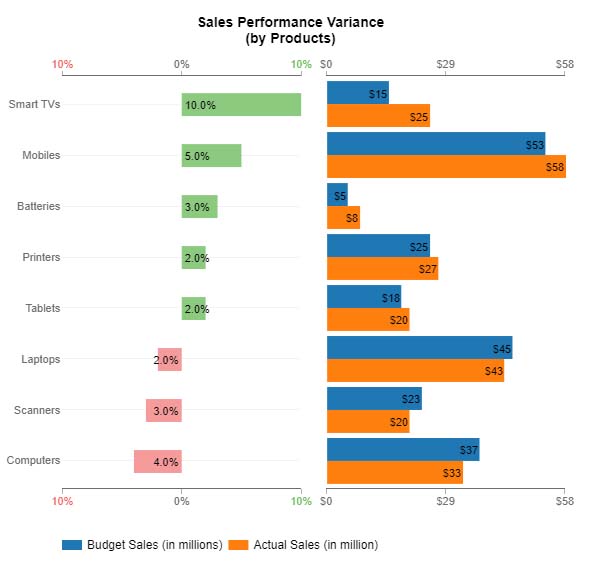
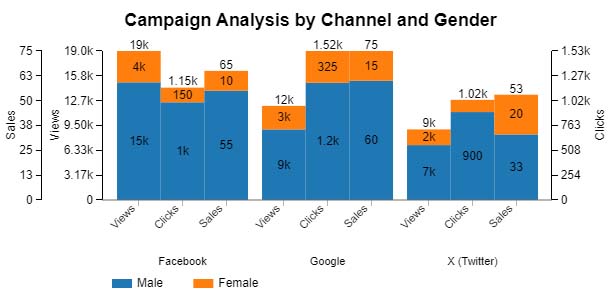
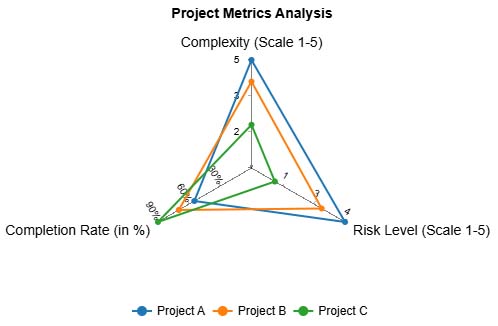
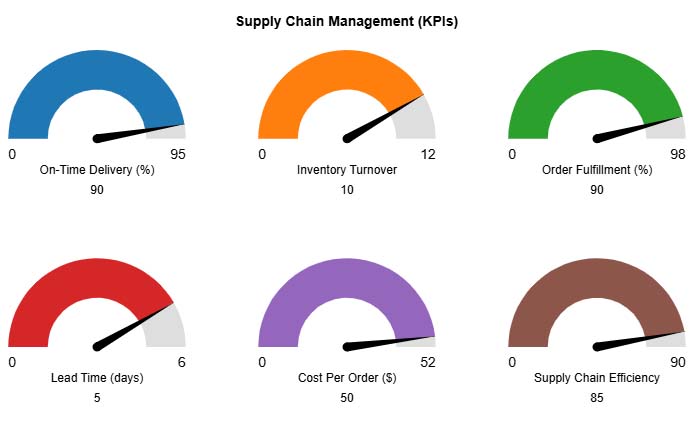
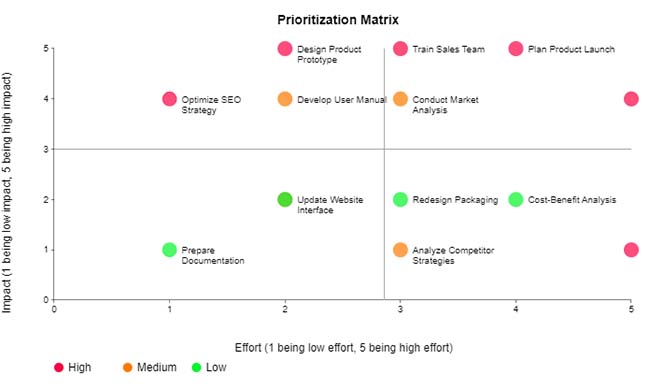
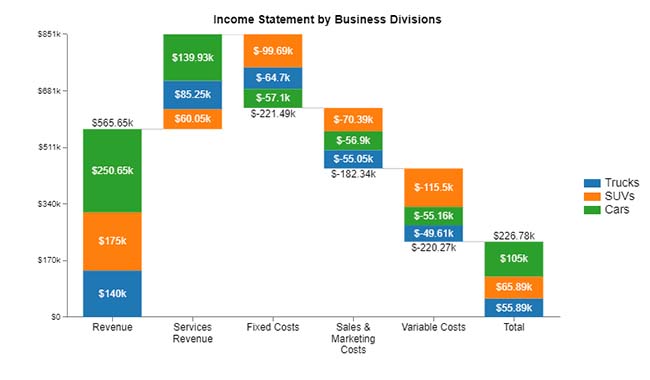
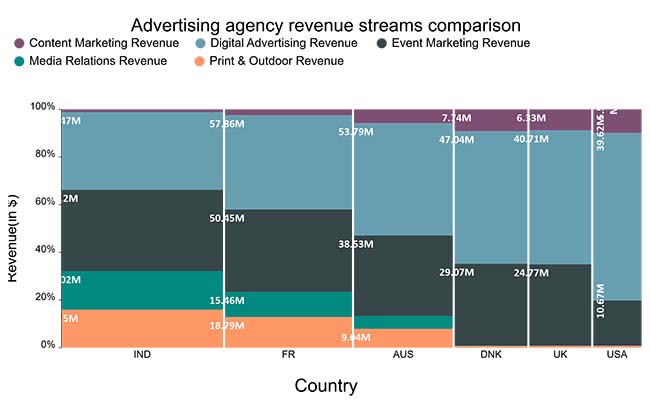
Data drives decisions. But staring at endless spreadsheets doesn’t help anyone. That’s where enterprise reporting comes in—it turns raw numbers into real business insights.
The truth? Data means nothing without the right visuals. Excel tries. But let’s be honest—it often falls short. Static charts, limited visuals, and cluttered dashboards hinder productivity.
Enter ChartExpo. This tool effortlessly transforms complex data into insightful, interactive visuals. It enables enterprise reporting to be faster, sharper, and more innovative, helping you make decisions that truly drive results.
How to Install ChartExpo in Excel?
ChartExpo charts are available both in Google Sheets and Microsoft Excel. Please use the following CTAs to install the tool of your choice and create beautiful visualizations with a few clicks in your favorite tool.
Let’s visualize what a white paper report looks like in Excel using ChartExpo.
| Metric | Channel | Revenue (USD) |
| Product A | Subscription | 92,000 |
| Product B | In-Store | 150,000 |
| Product C | Returns & Refunds | 20,000 |
| Product A | Online | 180,000 |
| Product B | In-Store | 185,000 |
| Product C | Subscription | 81,000 |
| Product A | Returns & Refunds | 12,000 |
| Product B | Online | 260,000 |
| Product C | Online | 190,000 |
| Product A | Subscription | 80,000 |
| Product B | Returns & Refunds | 26,000 |
| Product C | In-Store | 170,000 |
| Product A | Subscription | 100,000 |
| Product C | Subscription | 65,000 |
| Product A | Returns & Refunds | 14,000 |
| Product C | In-Store | 195,000 |
| Product B | In-Store | 160,000 |
| Product A | In-Store | 200,000 |
| Product C | Returns & Refunds | 13,000 |
| Product B | Subscription | 68,000 |
| Product C | Online | 240,000 |
| Product B | Online | 190,000 |
| Product A | Online | 250,000 |
| Product B | Returns & Refunds | 19,000 |
| Product C | In-Store | 135,000 |
| Product B | Subscription | 78,000 |
| Product A | Returns & Refunds | 11,000 |
| Product C | Subscription | 97,000 |
| Product B | In-Store | 130,000 |
| Product A | Online | 200,000 |
| Product A | In-Store | 180,000 |
| Product B | Online | 230,000 |
| Product C | Returns & Refunds | 15,000 |
| Product A | Subscription | 95,000 |
| Product C | Online | 205,000 |
| Product A | Returns & Refunds | 20,000 |
| Product B | Returns & Refunds | 22,000 |
| Product C | Subscription | 88,000 |
| Product C | In-Store | 145,000 |
| Product A | Online | 270,000 |
| Product B | In-Store | 145,000 |
| Product B | Online | 175,000 |
| Product A | In-Store | 140,000 |
| Product C | Online | 255,000 |
| Product B | Subscription | 60,000 |
| Product A | Subscription | 70,000 |
| Product C | Returns & Refunds | 21,000 |
| Product A | Returns & Refunds | 18,000 |
| Product C | Online | 170,000 |
| Product B | In-Store | 140,000 |
| Product A | Online | 210,000 |
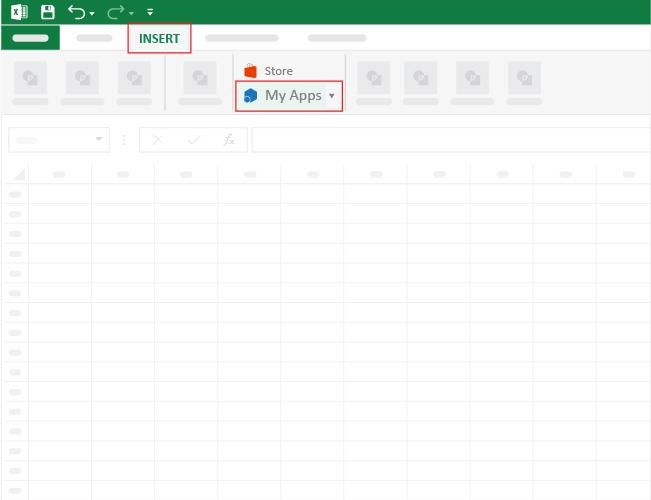

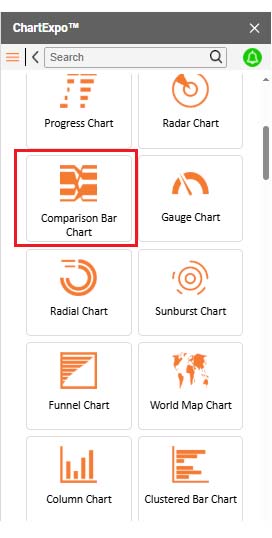
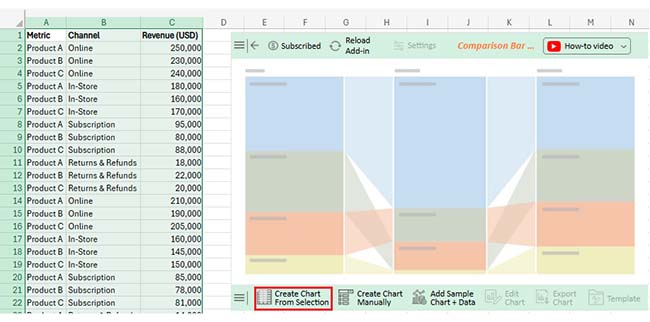
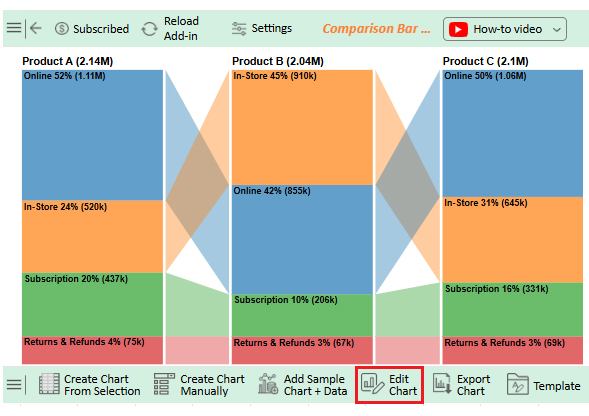
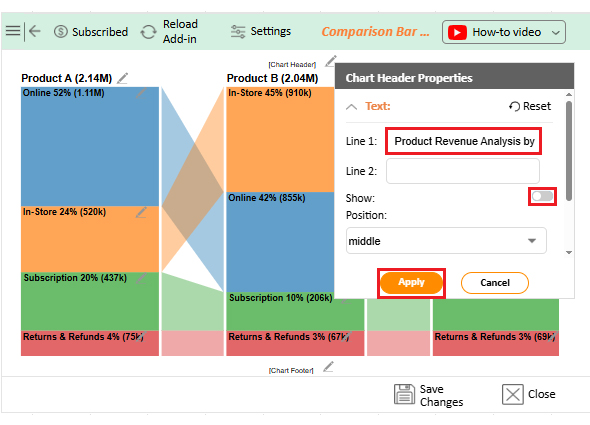
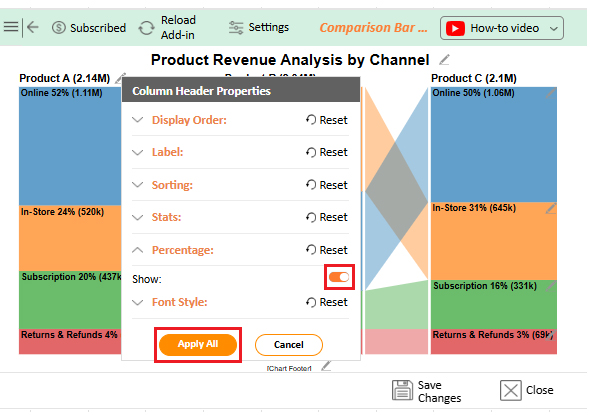
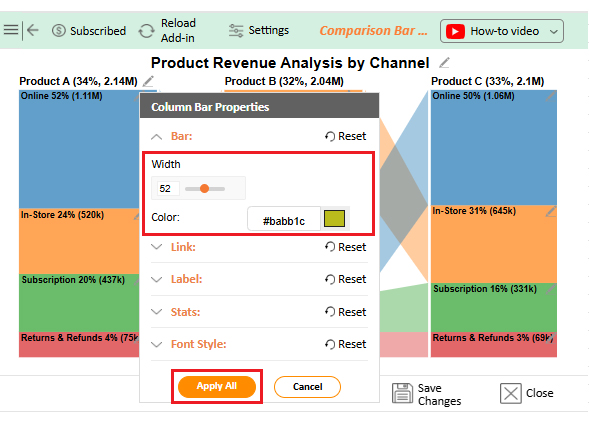
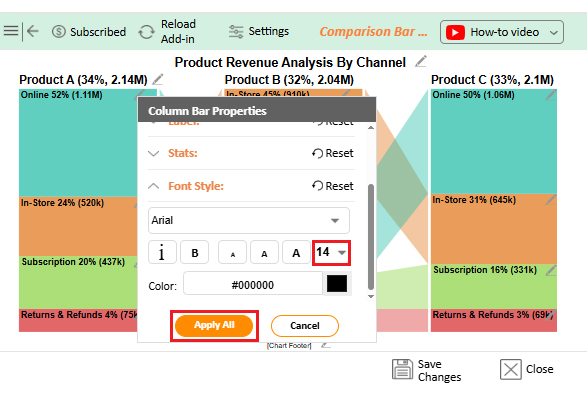
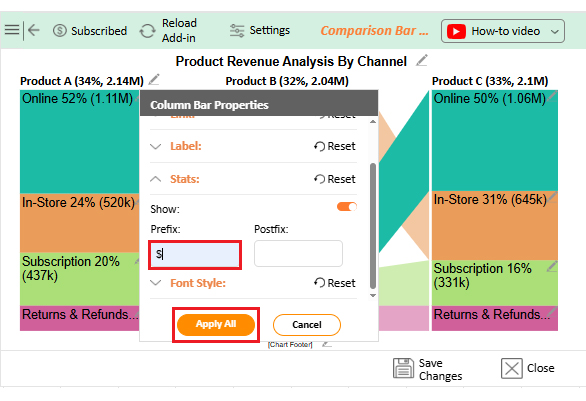
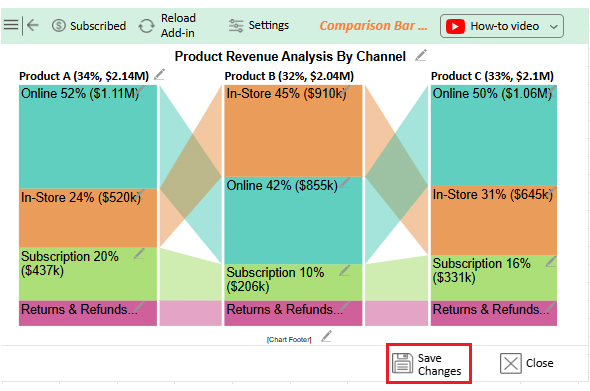
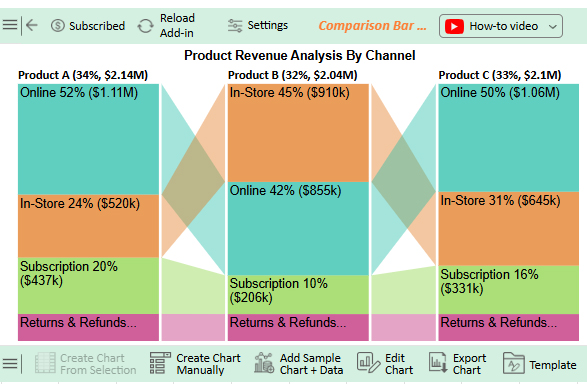
Data is only helpful if it leads to action. Enterprise reporting transforms vast amounts of data into informed decisions that help businesses grow, stay competitive, and move forward. Here’s how it makes a real difference:
Regardless of the industry, one truth remains: precise data leads to smarter actions. But messy reports? They slow everyone down. Enterprise reporting works best when it’s done right. Here are simple best practices to keep your reports sharp, practical, and impactful:
Different types of enterprise reporting include executive reporting examples, sales dashboards, spend reporting, and operational summaries. Each serves a purpose. They help businesses track performance, manage risk, and support informed decision-making with precise and accurate data.
An enterprise reporter covers key business metrics, trends, and insights. They track financials, operations, and data reporting across departments. Their reports help leaders spot issues, measure success, and plan next steps. Clear, timely reporting drives smarter business actions.
Enterprise reporting is the backbone of smart business decisions. It turns raw data into clear insights. It helps leaders see what’s working and what needs to change. With the right reports, action becomes faster and sharper.
Strong reporting brings teams together. It creates a single source of truth. Whether using executive reporting examples or management reporting, the goal remains the same: clarity and action.
The power of visuals matters. Charts, graphs, and dashboards bring numbers to life. Tools that go beyond spreadsheets enable businesses to move quickly and with greater confidence. Moreover, good reporting doesn’t just look backward; it also looks forward. It helps forecast, plan, and drive growth. It tracks performance, manages risks, and ensures accountability.
Conclusively, enterprise reporting isn’t optional—it’s essential. It empowers decisions at every level, helping businesses stay competitive, informed, and ready for what’s next.
Data without action is wasted. So, do not hesitate. Get started with enterprise reporting and ChartExpo today and make data your biggest asset.
How much did you enjoy this article?


Calculate accounts receivable turnover ratio to measure credit collection speed, improve cash flow, and strengthen your financial strategy. Read on!
Change Management KPIs are the key to tracking adoption, performance, and ROI during transitions. Find out which metrics matter. Read on!
Data collection methods and techniques determine the quality of every insight you act on. Explore key approaches for gathering reliable data. Read on!